Amid rising concerns over worldwide population growth and food crises, a Japanese company has developed a groundbreaking cold storage solution— a “third preservation technology” distinct from conventional refrigeration or freezing. This technology not only preserves food freshness but could completely reshape the agriculture and fishery industries and distribution logistics in general, offering a new tool for ensuring global food security.
Food crises are a global issue, not one limited to just a few countries or regions. According to UN estimates, the world’s population will reach about 9 billion by 2050, so it is expected that global food demand will increase too. In spite of that, over 1 billion tons of edible food are discarded worldwide every year. Achieving a circular system of food consumption with minimal waste is therefore just as crucial as increasing food production is to the prevention of future food crises.
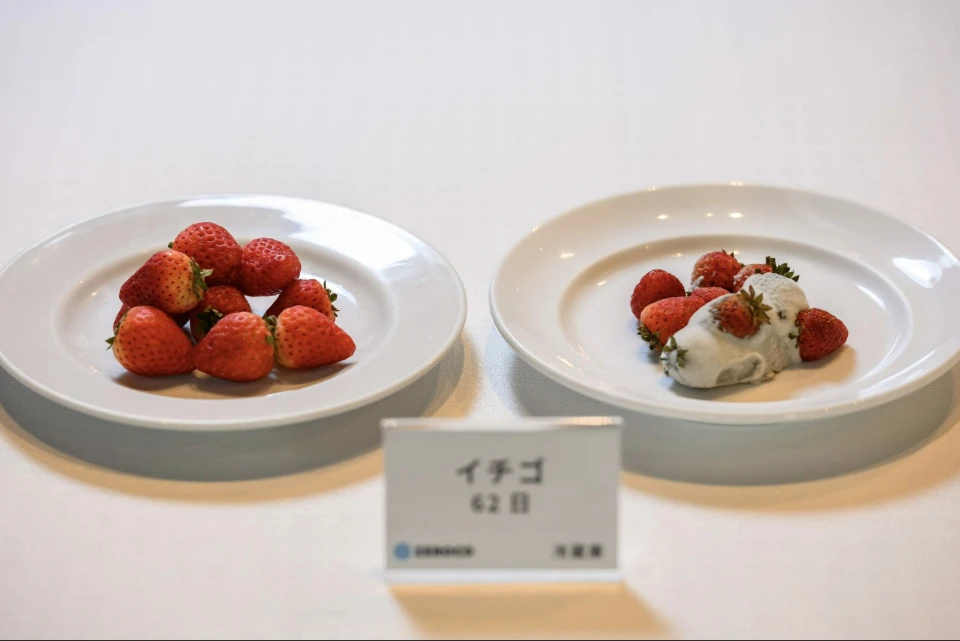
ZEROCO Inc., a Japanese food tech company, is addressing this problem with a technology inspired by traditional food preservation methods used in regions of heavy snowfall in Japan. In areas where wet, heavy snow piles up, the air temperature under the snow cover stays just above freezing with relatively high humidity. This natural environment has long been used for storage of vegetables and fruit, which stay fresh without freezing or drying out, with a slight increase in their natural sweetness. Focusing on this preservation method, ZEROCO succeeded in reproducing and controlling the storage environment, where a key factor is not only the low temperature but also the humidity. A temperature of around 0°C (32°F) with humidity just under 100%—at which condensation and frost are less likely to occur—creates conditions under which perishable foods stay fresh for much longer. Remarkably, fresh vegetables and fruit stored under these conditions can retain their texture and taste for several months.
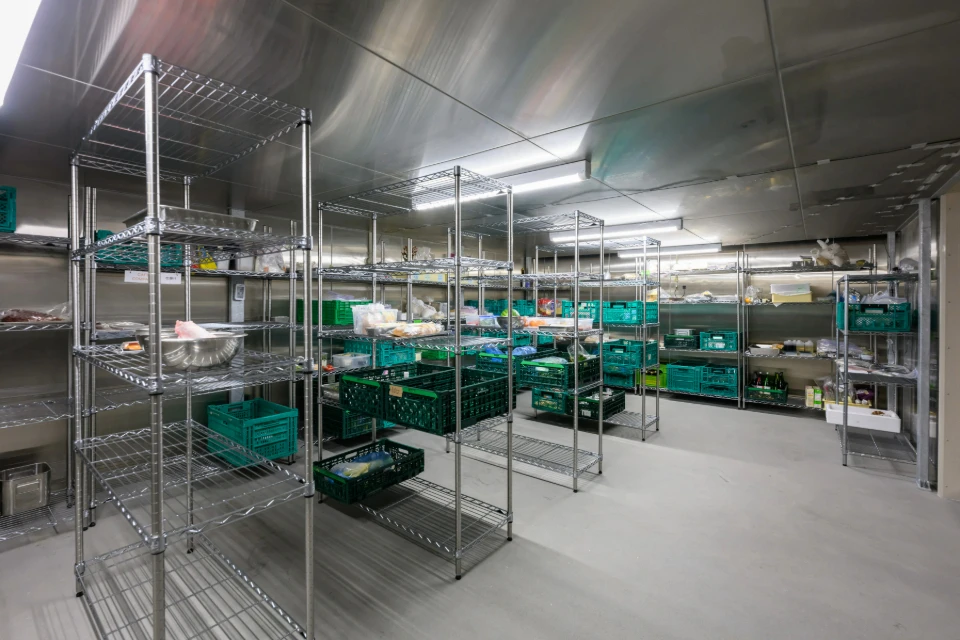
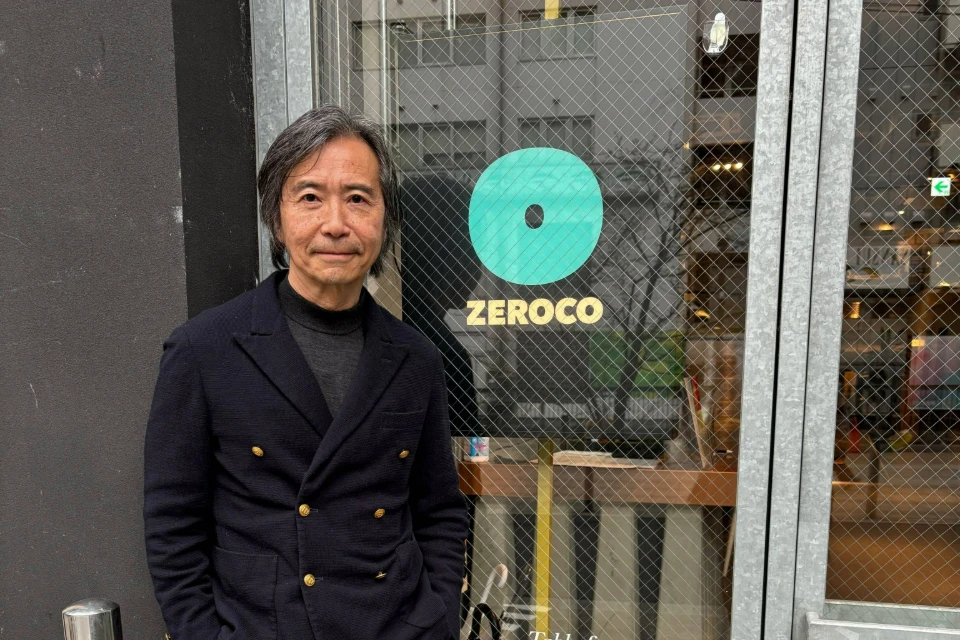
“The biggest factor that led to commercialization of this technology was our success in reproducing the storage environment on a large scale,” says KUSUMOTO Shujiro, president and CEO of ZEROCO. The company is currently operating storage facilities in the prefectures of Hokkaido (165m² in area), Tokushima (330m²), and Kumamoto (230m²). “The primary reason why the agriculture and fishery industries struggle to make a profit is the inability to store inventory due to the nature of their products,” says Kusumoto. “Fresh foods and produce are constantly vulnerable to spoilage and aging, so producers can’t set their own prices like those who make other goods.” ZEROCO’s new technology makes it possible for producers to keep inventory for longer periods, freeing farmers and fishers from the pressure to ship their products immediately after harvest. What’s more, they can proactively choose the shipping times and prices for their produce or catch.
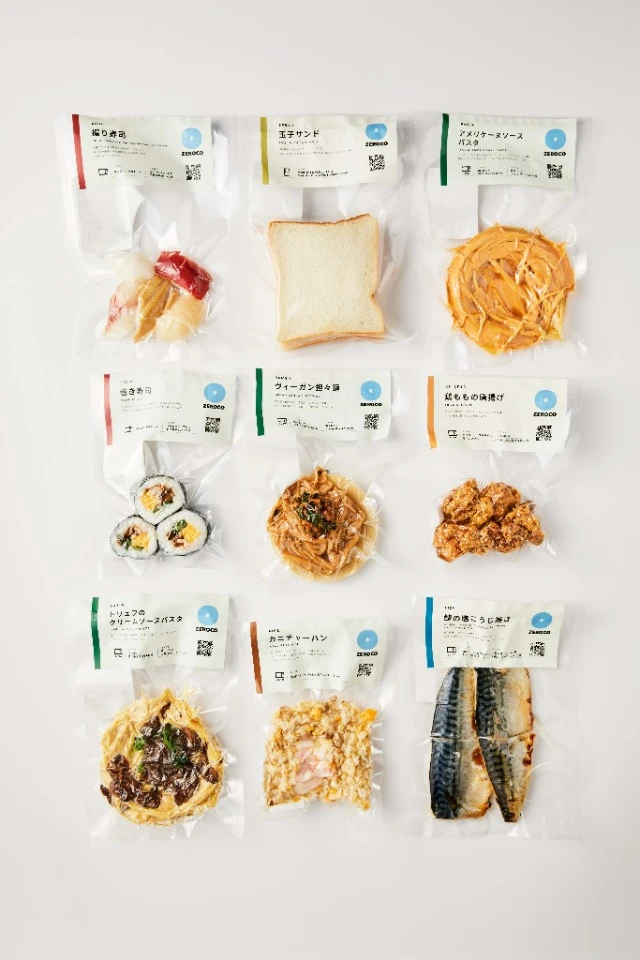
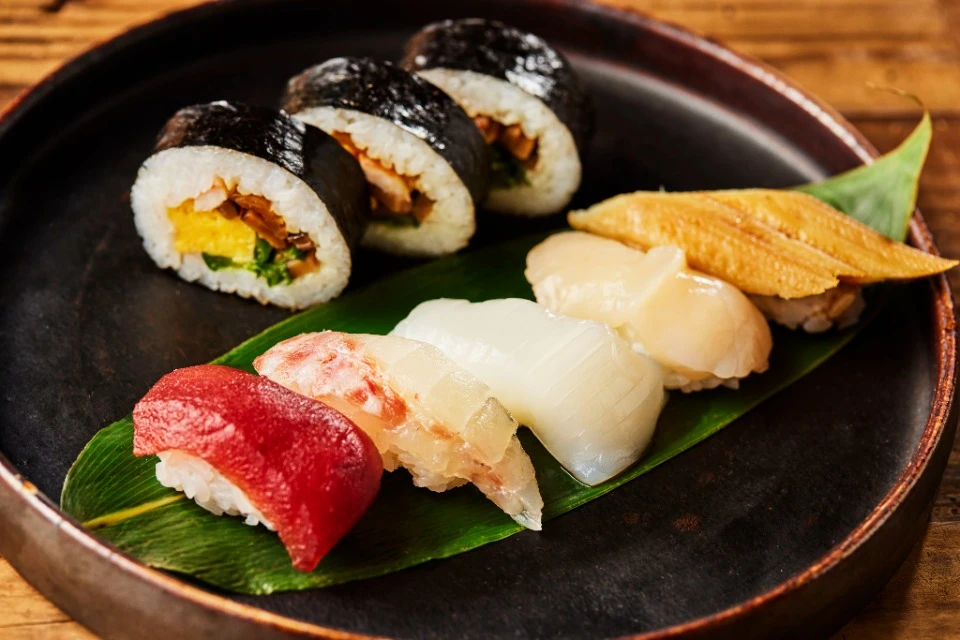
ZEROCO’s preservation technology can also be applied to prepared or processed foods previously considered unsuitable for freezing. ZEROCO provides high-quality freezing with minimal cell damage or drip loss, thus delivering such products to the world without compromising taste and texture. Kusumoto describes this as “food recording.” Now, he says, “people anywhere in the world can enjoy the authentic taste of sushi, ramen, or yakitori made by popular master chefs.”
ZEROCO’s preservation technology can also be applied to prepared or processed foods previously considered unsuitable for freezing. ZEROCO provides high-quality freezing with minimal cell damage or drip loss, thus delivering such products to the world without compromising taste and texture. Kusumoto describes this as “food recording.” Now, he says, “people anywhere in the world can enjoy the authentic taste of sushi, ramen, or yakitori made by popular master chefs.”
In the future, ZEROCO can be expected to offer solutions to global energy issues as well. Incorporating the company’s technology into various production processes has the potential to reduce electricity consumption. Moreover, it should enable shipping by sea for many foods instead of costly air transport, completing a food industry trifecta of economic efficiency, reduced environmental impact, and guaranteed flavor and freshness.
“ZEROCO has the power to bring dramatic change to the very structure of the food industry,” Kusumoto asserts. And indeed, the company’s technology offers more than just a cutting-edge food preservation method. Potentially, it could transform the entire spectrum of food-related industries, from agriculture and fisheries to logistics, retail, and food service—a veritable industrial revolution.